
Drayage Accessorial Charges Explained: A Guide for Shippers
A drayage quote is based on the expected requirements to move an intermodal container from origin to destination. Depending on the shipment’s requirements and circumstances, you may need additional services beyond the standard drayage move.
Accessorial charges are additional charges for services or requirements outside the expected transportation service. They may apply when a shipment requires extra driver time, specialized equipment, additional container moves, storage, special handling, or other services necessary to complete the move.
Understanding common drayage accessorial charges, what they mean, and what causes them can help shippers plan container moves more effectively and reduce avoidable charges.
Why Do Drayage Accessorial Charges Occur?
Some accessorial charges are known before a container move begins. A shipment may require specialized equipment, hazardous materials (HAZMAT) handling, a scale ticket, or other services that can be identified when the move is quoted.
Others arise during transportation. A driver may be delayed at a receiver, a container may need to be pre-pulled before its Last Free Day, or an empty container may not be returnable as scheduled.
In either case, accessorial charges cover transportation services and costs beyond the original drayage rate.
Chassis Charges
A chassis is a specialized trailer used to transport an intermodal container by truck. Depending on the shipment and locations involved, chassis-related charges may apply for using, maintaining, or repositioning this equipment.
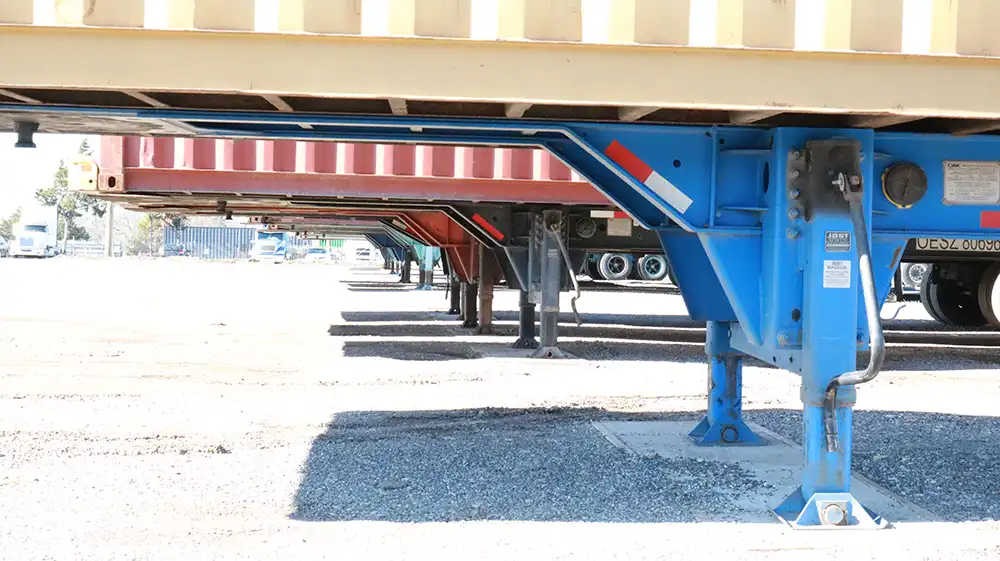
Chassis availability, use, and repositioning can affect drayage costs.
Daily Chassis Rental: A daily charge for using a chassis while it is assigned to a container move. The number of rental days generally depends on how long the chassis remains in use before it is returned.
Chassis Maintenance Fee: A charge to maintain the chassis used to transport the container. This charge may be assessed separately from the daily chassis rental.
Chassis Split: A chassis split occurs when the container and the chassis needed to move it are at different locations, or when the container and chassis must be returned to different locations. The additional movement required to retrieve, reposition, or return the chassis can result in a chassis split charge.
SOC Chassis Split: An SOC, or shipper-owned container, is owned or supplied by the shipper rather than an ocean carrier. A chassis split may occur when moving an SOC requires retrieving or returning the chassis at a different location than the container.
Driver Time & Delivery Charges
These charges cover extra driver time or additional trips.
Driver Detention: Detention occurs when a driver is required to wait beyond the time allowed for a container pickup or delivery. This can happen at a rail terminal while waiting to retrieve a container or at a receiving facility during a live unload, when the driver waits while the container is unloaded. Detention accounts for the additional driver and equipment time required to complete the move.
Layover: A layover applies when a driver cannot complete the move the same day due to a delay caused by the shipper, the receiving party (consignee), or the customer and must complete it the following day. It does not apply to delays caused by the carrier or driver.
Local Drop Charge: A local drop occurs when the driver leaves the container and chassis at the delivery location rather than waiting for the container to be unloaded. The driver then returns later to retrieve the equipment after unloading is complete. Because a drop requires an additional trip, a local drop charge may apply.
Rail, Yard & Storage Charges
Timing plays an important role in drayage. Rail terminals allow containers to remain at their location for a limited time before storage charges begin. When a container cannot be delivered within that timeframe, moving it to an off-terminal storage yard may provide an alternative to leaving it at the rail terminal.
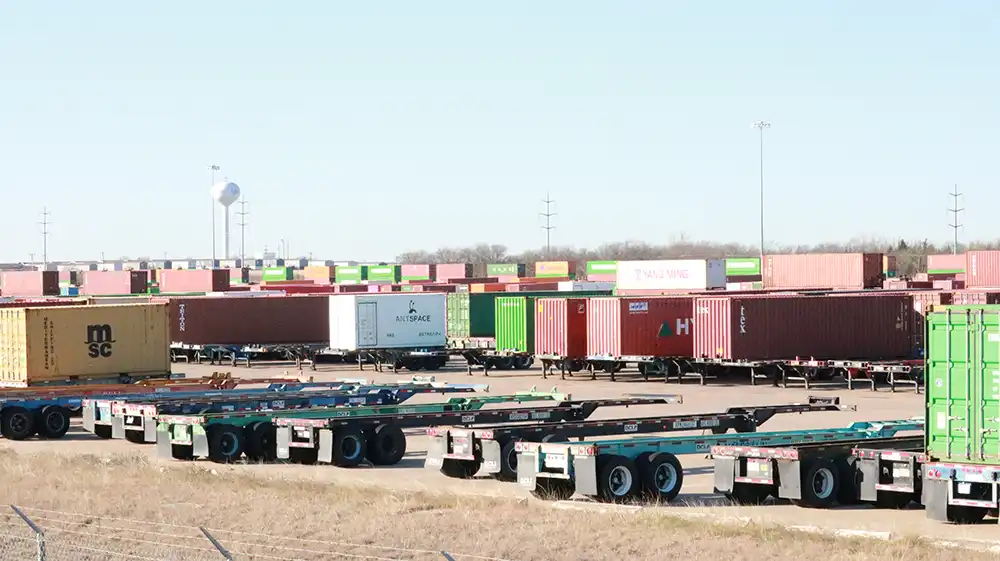
Pre-pulls and yard storage can help prevent costly rail storage charges.
Yard Pull / Pre-Pull: A yard pull, also called a pre-pull, occurs when a container is retrieved from a rail terminal and moved to an off-terminal storage yard before final delivery. This commonly happens when the container is available for pickup, but the consignee isn’t ready to receive it. The Last Free Day (LFD) is the final day a container can remain at the rail terminal without incurring storage charges. When completed before LFD, a pre-pull can help avoid rail storage charges.
Yard Storage: Yard storage applies when a container is held at an off-terminal storage yard before final delivery. This commonly follows a pre-pull but may also be required when a container needs temporary storage for other operational or scheduling reasons.
Late Return: A late return charge may apply when an empty container cannot be returned to its designated location as scheduled because the facility is closed or unavailable. The container must be temporarily stored until the return can be completed, requiring additional handling and transportation.
Rail Storage: Rail storage charges apply when a container remains at a rail terminal beyond its allotted free-storage period. Once the Last Free Day (LFD) passes, the railroad may assess storage charges until the container is removed from the terminal.
Rail Storage Administration Fee: When a customer does not have an account with the railroad, the drayage carrier may arrange to pay the railroad’s storage charges on the customer’s behalf. The carrier then bills the customer for the railroad’s charges, plus an administrative fee for advancing and processing the payment.
HAZMAT, Weight & Container Condition Charges
Some shipments may require additional services because of the cargo’s weight or type, or the container’s condition.

HAZMAT shipments require additional handling and regulatory compliance.
HAZMAT Surcharge: Transporting hazardous materials (HAZMAT) can involve additional regulatory, documentation, equipment, and handling requirements. A HAZMAT surcharge may apply to cover the additional requirements of transporting regulated hazardous materials.
Scale Ticket: A scale ticket documents the weight of a truck, container, and cargo as measured at a commercial truck scale. Weighing may be necessary to verify shipment weight, evaluate the load against applicable weight limits, or determine whether different equipment or handling is required. A scale ticket charge may apply when a shipment requires this additional weighing service.
Container weight can affect equipment requirements and how you can legally transport a shipment. Learn more in our Shipping Container Weight Limits guide.
Container Clean-Out Fee: A container clean-out fee may apply when debris, packaging materials, or other materials must be removed from a container before it can be returned or reused. This charge covers the additional labor and handling required to clean out the container.
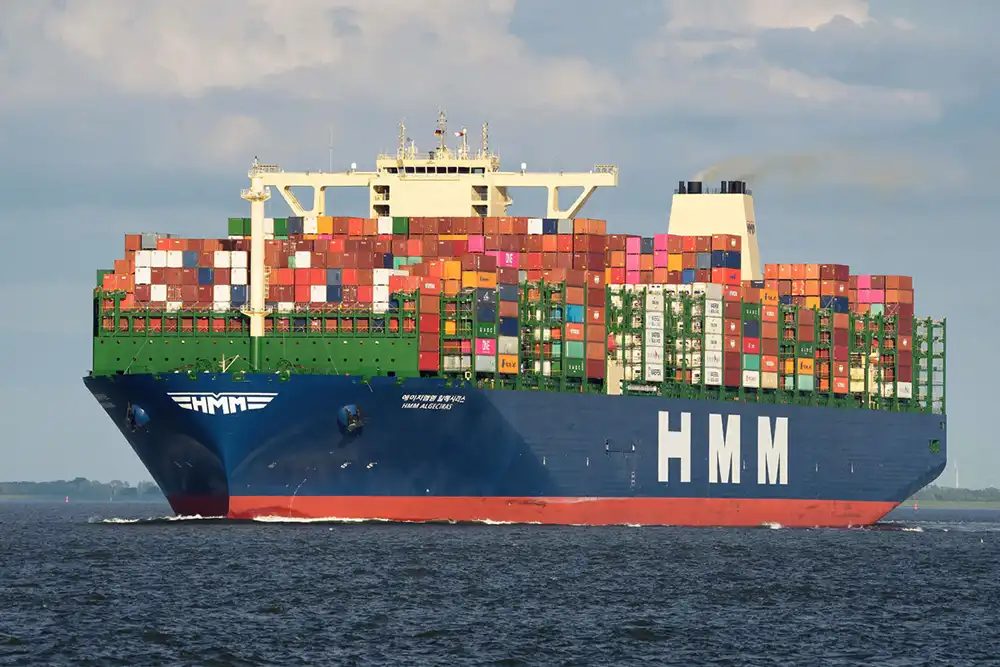
Export moves require coordination between the drayage carrier, railroad, and ocean carrier.
Export-Related Accessorials
Export container moves may require additional steps not typically part of an import drayage move.
Export Fee: An export fee may apply when a suitable empty container must be located for an international export shipment. This charge covers the additional time required to locate and secure a suitable container for the export move.
Export at Rail: Before the rail terminal can accept an export container, the railroad must receive the ocean carrier’s required rail billing authorization specifying the ERD (Earliest Return Date). Because the authorization may depend on shipment information not available far in advance, the driver may have to wait while the process is completed.
Fuel Surcharge
A fuel surcharge accounts for changes in the cost of fuel used to transport a shipment. Unlike accessorial charges for additional services or unexpected circumstances, fuel surcharges are typically included in the overall transportation cost and may fluctuate with fuel prices.

How Shippers Can Reduce Drayage Accessorial Charges
Not every accessorial charge is avoidable. Some are necessary to complete a container move. However, good planning, accurate shipment information, and timely communication can reduce unnecessary charges.

Active communication and coordination help keep container moves on schedule.
Provide complete shipment information before dispatch. Accurate container weights, HAZMAT information, and other shipment requirements help the carrier select the appropriate equipment and plan the move correctly from the beginning.
Monitor container availability and Last Free Day (LFD). Knowing when a container becomes available and when free time expires gives the shipper and drayage carrier more time to coordinate delivery. If the receiver cannot accept the container before LFD, consider how long the delay is expected to last. For a short delay, leaving the container at the rail terminal may be the most practical option. If the delay continues, rail storage can become substantially more expensive than off-terminal yard storage. A pre-pull adds the cost of moving and storing the container off-terminal, so the best option depends on the expected length of the delay.
Confirm the delivery plan with the receiving facility. Know the appointment time, operating hours, and whether the container will be a live unload or drop. The receiving facility should also be prepared to unload the container within the expected timeframe to reduce the risk of detention or a layover.
Communicate changes as soon as possible. Appointment changes, receiving delays, and other disruptions should be communicated to the drayage carrier quickly. More notice provides more opportunity to adjust the move before additional driver time, storage, or transportation is required.
Understand empty-container return requirements. Know where the empty container must be returned and the operating hours of the return location. The container must also be completely unloaded and free of cargo, dunnage, other packing materials, and debris before return.
Questions About Drayage Accessorial Charges?
Evans Delivery Dallas provides container drayage throughout the Dallas-Fort Worth area, serving Union Pacific Dallas Intermodal Terminal (DIT) in Hutchins, Union Pacific Mesquite Intermodal Terminal, BNSF Alliance, and CPKC in Wylie. If you have questions about potential accessorial charges, need a drayage quote, or are planning an upcoming container move, contact our team.